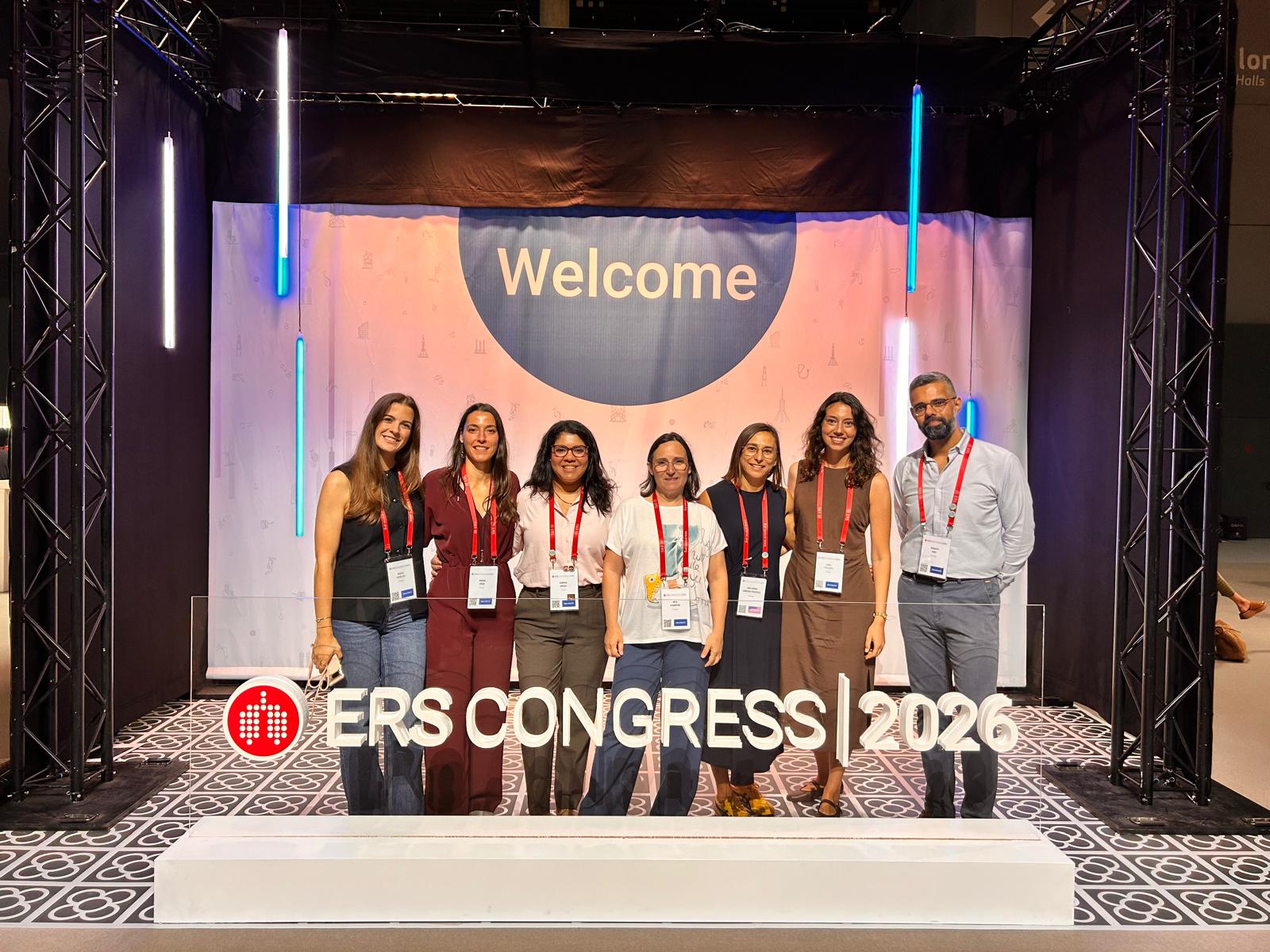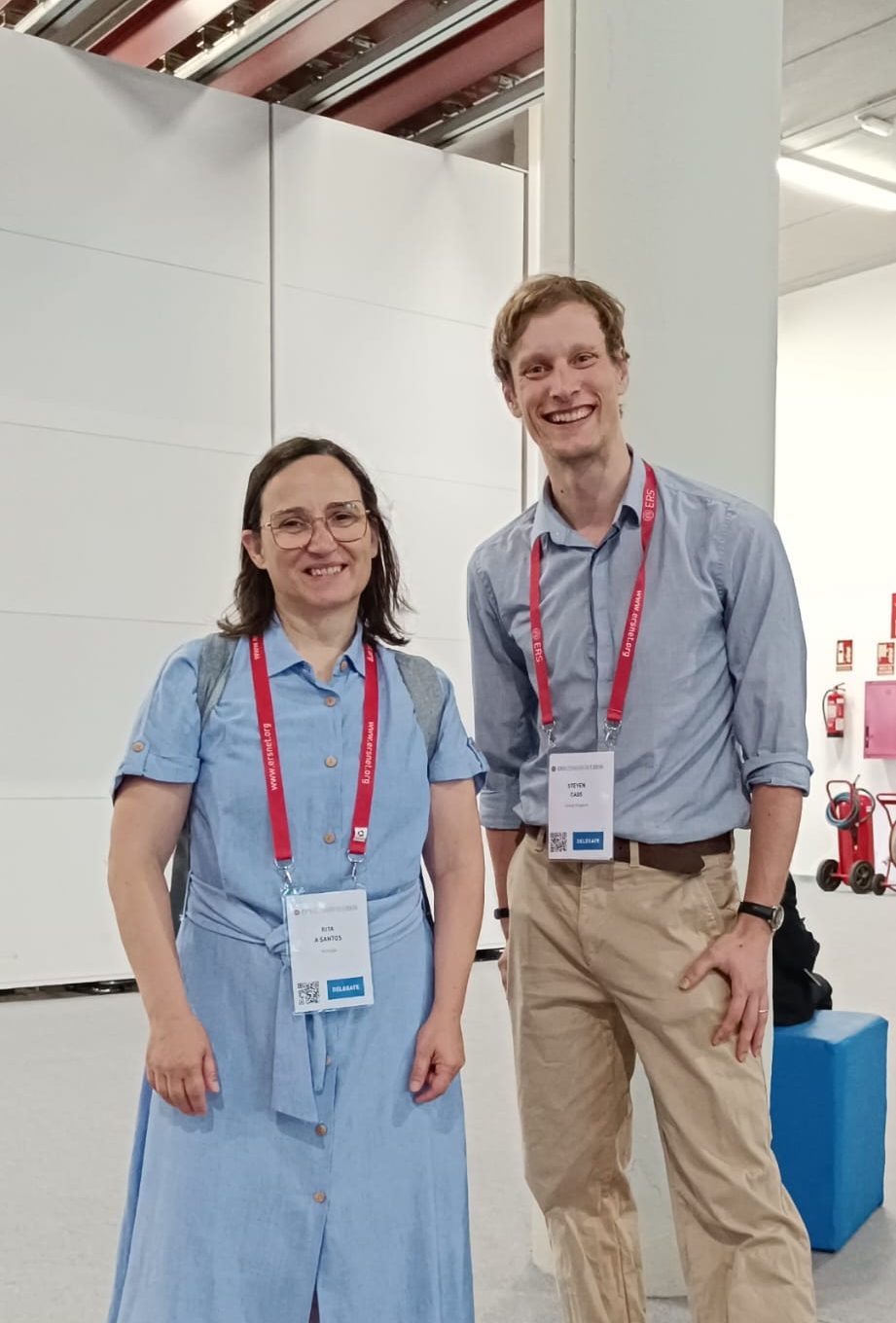
From 5th to 9th September, Barcelona received the International Congress of the European Respiratory Society (ERS) 2026, and ciTechCare was represented by 5 PhD research fellows and a PhD researcher.
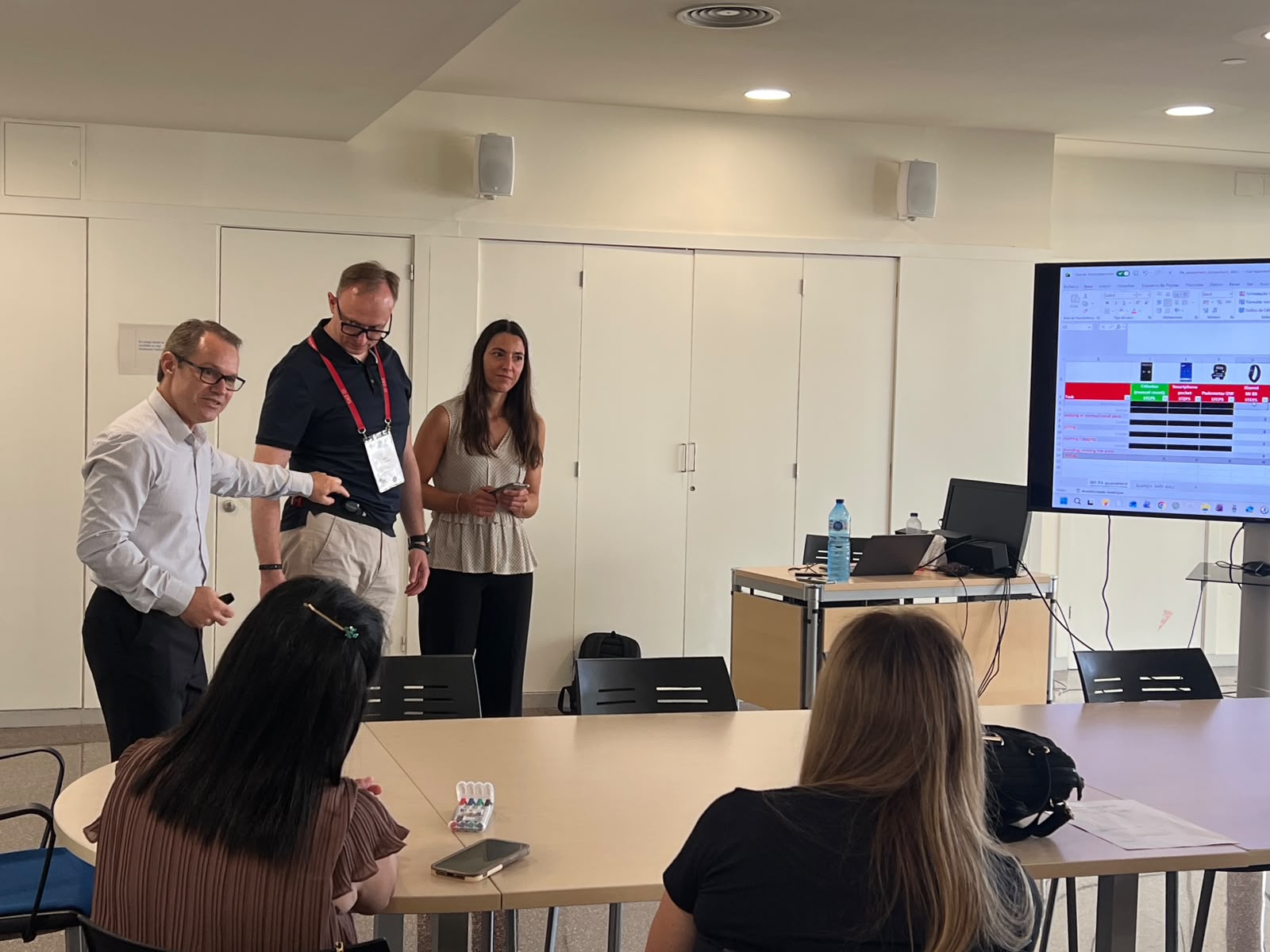
Joana Cruz, PhD, and principal investigator in several projects on COPD and pulmonary rehabilitation participated as part of the faculty of the Skills Workshop entitled “Physical activity assessment & enhancement strategies”, together with Elena Gimeno-Santos, Fábio Pitta and Thierry Troosters, integrated in the “Academy of Pulmonary rehabilitation – Advanced” course of the ERS.
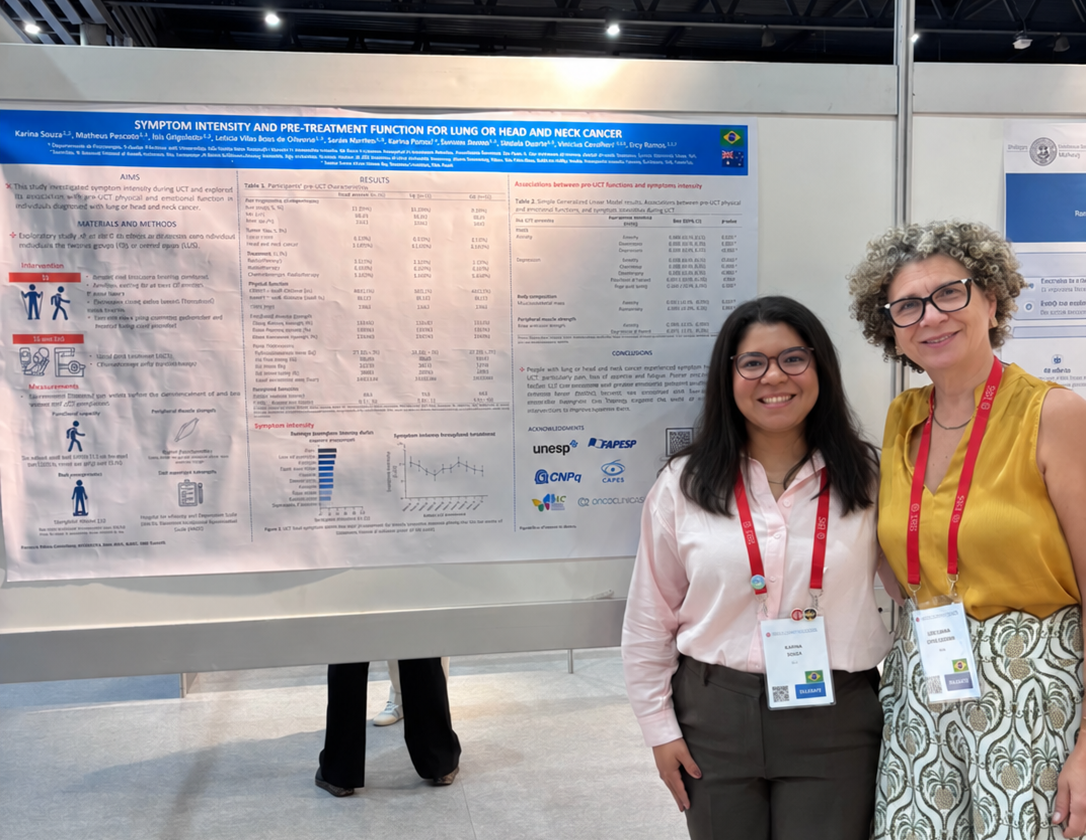
Also, several PhD students had the opportunity to share the most recent results from their research on this theme. Karina Souza, a PhD student from São Paulo State University (UNESP), Brazil, currently undertaking a mobility programme at ciTechCare, presented the poster “Symptom intensity and pre-treatment function for lung or head and neck cancer”. The study investigated symptom intensity during usual cancer treatment and its association with physical and emotional function before treatment in people with lung or head and neck cancer. Pain, loss of appetite, and fatigue were the most intense symptoms reported during treatment. Poorer emotional function before treatment was associated with a greater emotional symptom burden, whereas better physical function was associated with lower symptom intensity. These findings highlight the importance of simple pre-treatment assessments, which may help identify patients who could benefit most from additional supportive care during cancer treatment.
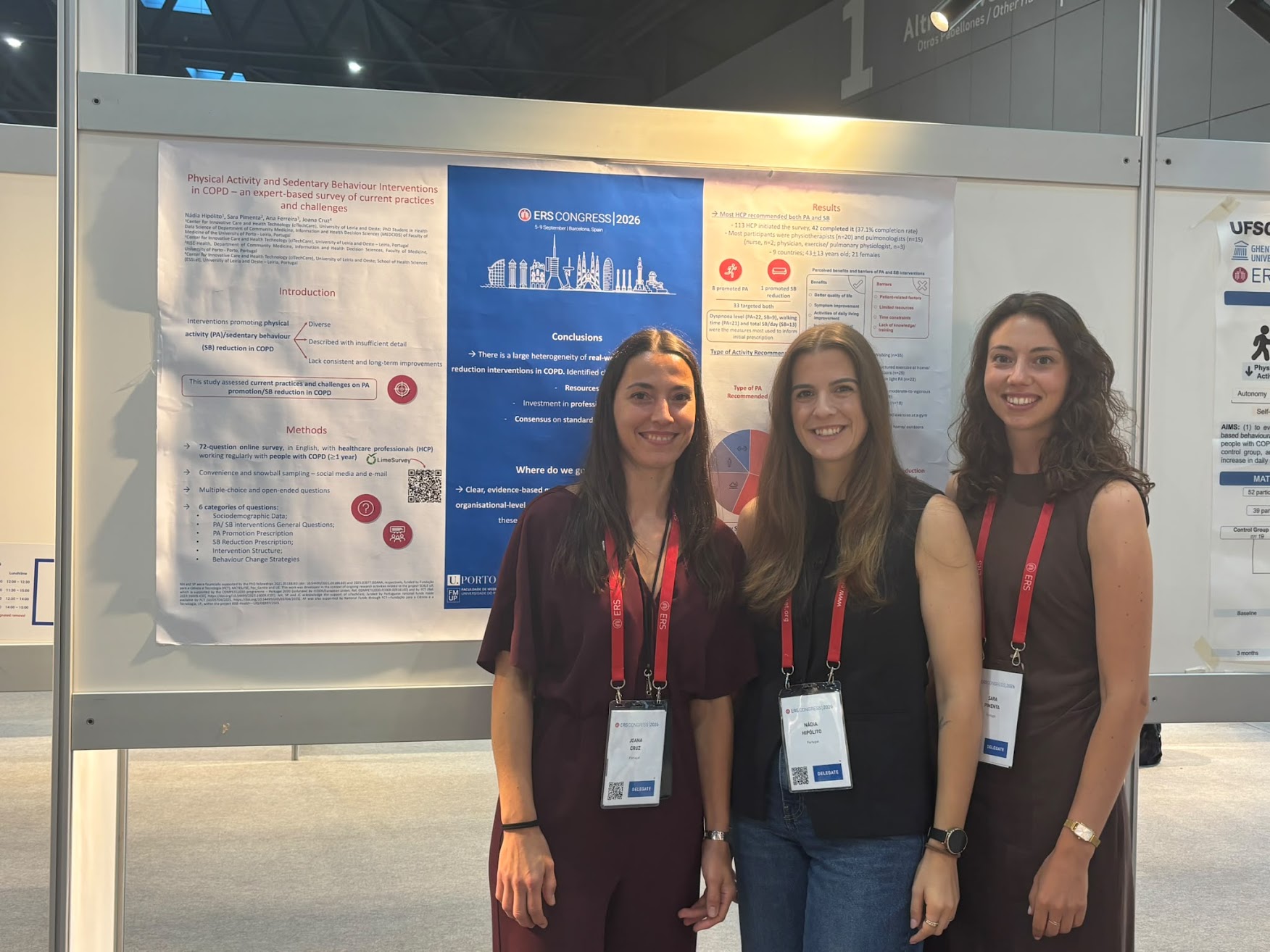
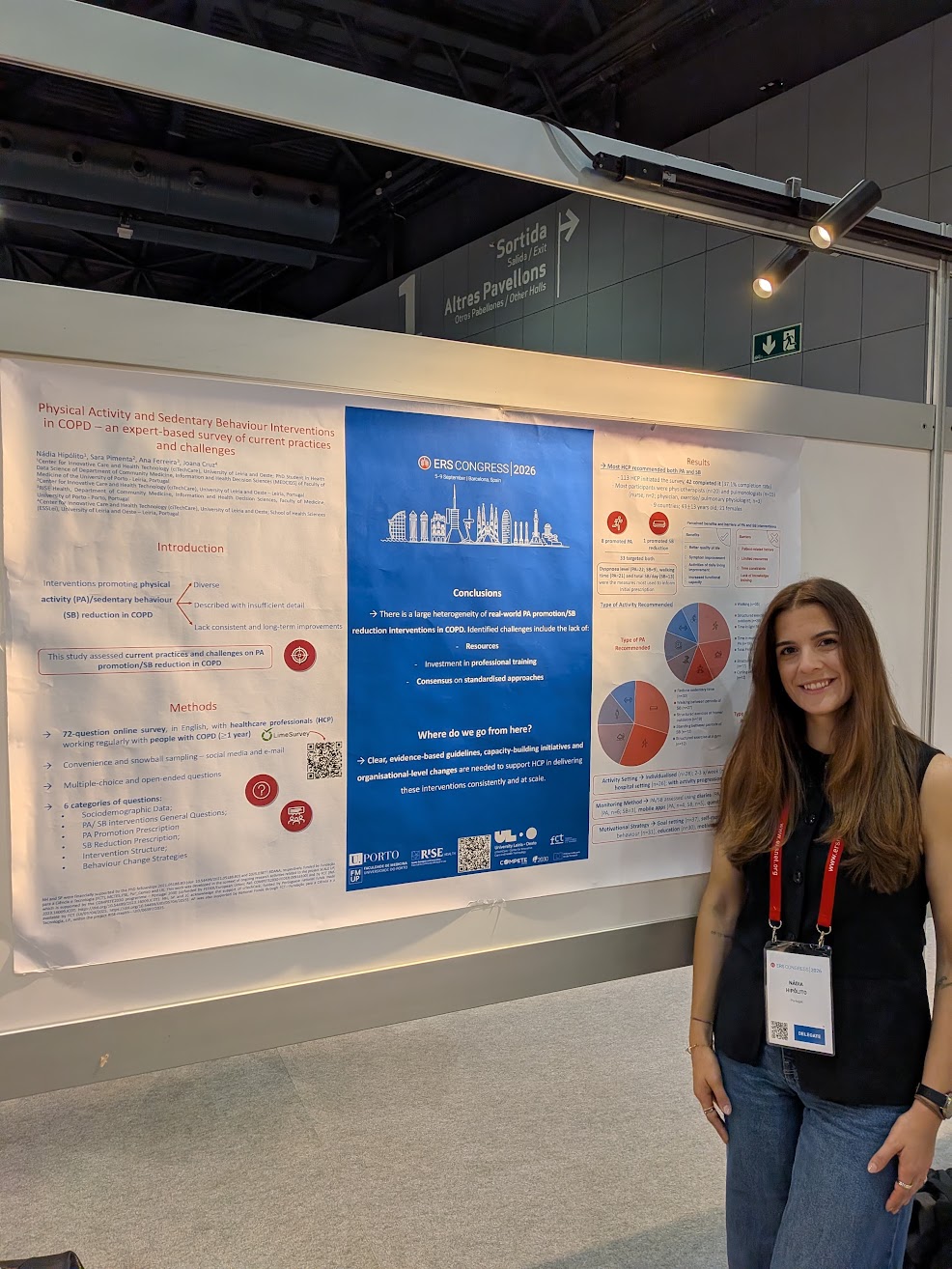
The poster “Physical Activity and Sedentary Behaviour Interventions in COPD – an expert-based survey of current practices and challenges” was presented by Nádia Hipólito, PhD student on Health Data Science: this study considered an online survey that included healthcare professionals from 9 countries. Organisational level-changes and evidence-based guidelines are needed to support healthcare professionals in delivering physical activity and sedentary behaviour interventions consistently and effectively. Also, Nádia was selected to participate in the NEXT Programme (Networking EXcellence Training), a mentoring initiative to enhance professional skills and expand international network. She also participated in the ERS Students and trainees initiative as mentor.
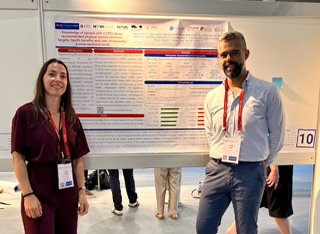
Renato Reis, a PhD student with several research on promotion of physical activity on people with COPD presented the study “Knowledge of People with COPD About Recommended Physical Activity Minimum Targets, Health Benefits and Risks of Inactivity: A Cross-Sectional Study” and a second poster named “Exploring Barriers and Facilitators of People with Mild to Moderate COPD to Practice Physical Activity: A Qualitative Study”. These posters represent findings from the initial phase of his PhD project and will inform the development of the next stages of CO[PD]-Pilot project, a co-creation initiative focused on designing a digitally supported intervention to increase physical activity levels in people with mild to moderate COPD.
The first time of Rita Santos, PhD student, on this event allowed her to participate in the “Welcoming students and trainees to the ERS Congress” initiative, and to integrate the Skills workshop on Thoracic Ultrasound as a volunteer assistant. The PhD student, whose focus is investigate the role of irisin, a hormone produced by active skeletal muscle that remains largely understudied in the context of COPD, had the opportunity to attend everyday sessions and understand how basic science is positioned on these events and also how she can direct her work to make a valuable difference in Respiratory Medicine.
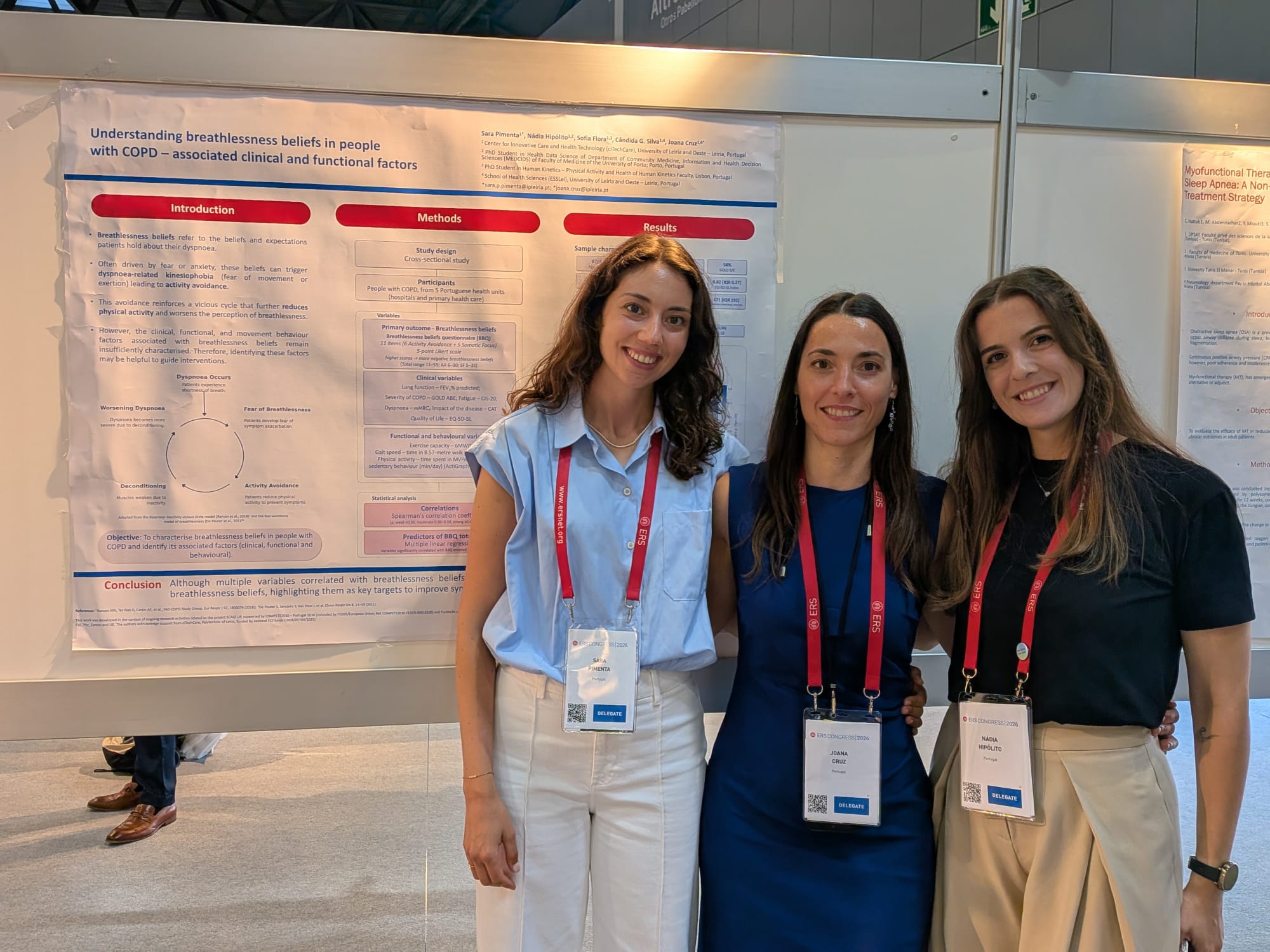
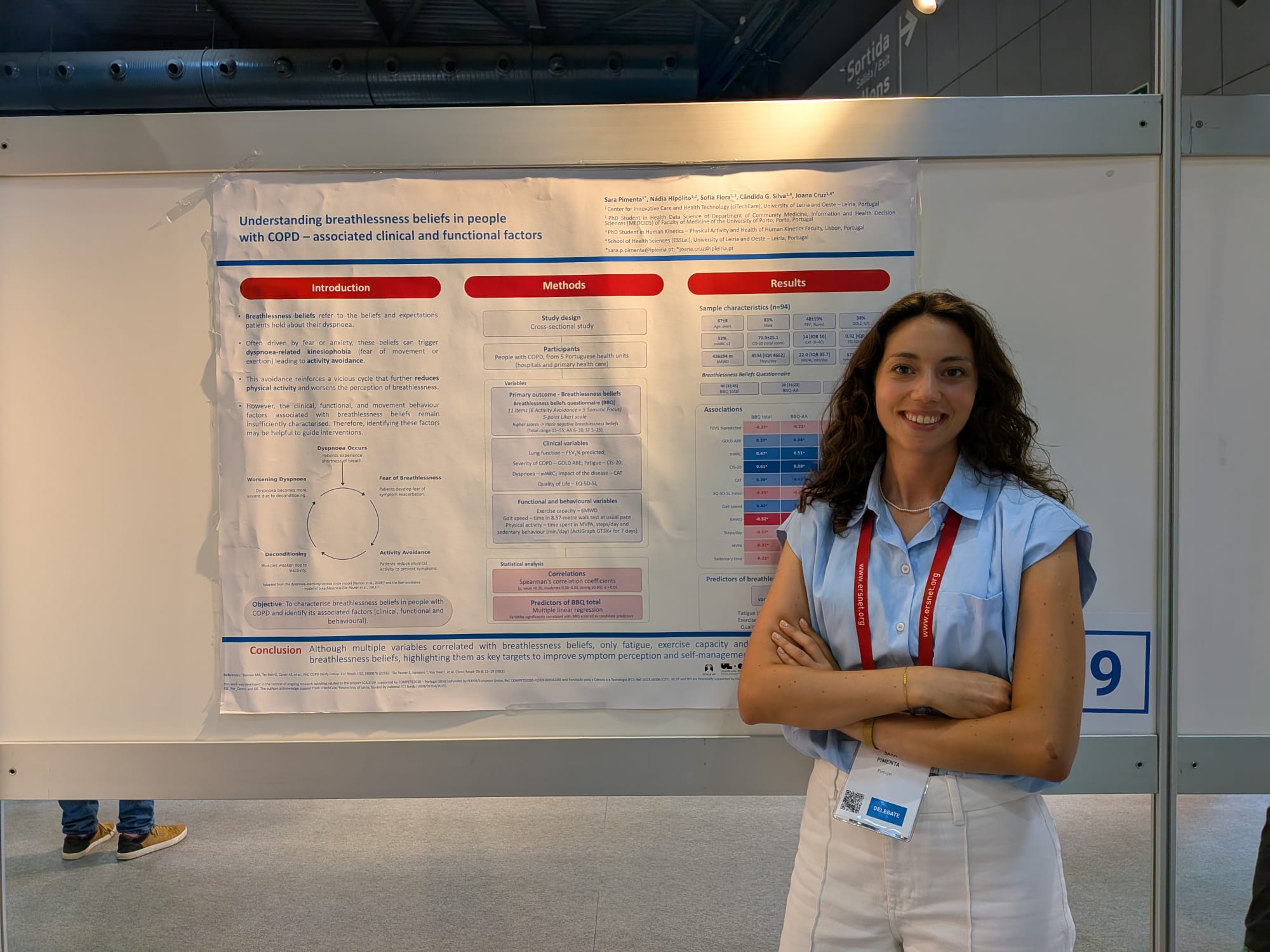
Sara Pimenta, a PhD student in Public Health, presented the poster “Understanding Breathlessness Beliefs in People with COPD: Associated Clinical and Functional Factors.” This work was developed as part of ongoing research activities related to the SCALE UP project and highlighted the importance of assessing and targeting breathlessness beliefs in people with COPD to help break the physical inactivity cycle.